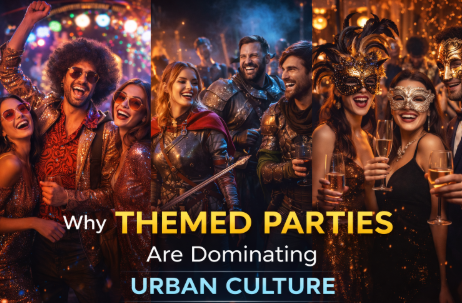
Why Themed Parties Are Dominating Urban Culture
Urban culture is constantly evolving. From fashion and music to nightlife and social gatherings, cities have always been incubators of trends. In recent years, one phenomenon has clearly taken center stage: themed parties.
Whether it is a 90s nostalgia night, a masquerade gala, an anime rave, or a luxury all-white rooftop soirée, themed events are no longer occasional novelties. They have become a defining feature of modern city life.
But why are themed parties dominating urban culture in 2026? The answer lies in psychology, social media influence, identity expression, and the growing demand for immersive experiences. Let us break it down.
The Rise of Experience-Driven Socializing
Modern urban consumers value experiences over possessions. Younger generations, particularly millennials and Gen Z, prioritize moments that create memories rather than material accumulation.
Themed parties offer:
-
Immersion
-
Emotional engagement
-
Storytelling
-
Visual appeal
-
Shareable content
Unlike traditional gatherings, themed events create a temporary world. When guests enter, they are not just attending a party — they are participating in a curated experience.
This shift toward experiential entertainment explains why standard nightclub formats are gradually losing ground to concept-driven events.
Social Media Amplification
One of the strongest drivers behind the rise of themed parties is social media.
Urban culture today is heavily influenced by platforms like Instagram, TikTok, and short-form video content. Themed parties are highly photogenic and video-friendly. Coordinated outfits, elaborate decor, dramatic lighting, and synchronized performances generate visually striking content.
Hosts and attendees benefit from:
-
Increased engagement
-
Viral moments
-
Personal branding opportunities
-
Social validation
A regular party may fade into memory, but a well-executed themed event can trend online. In a digital-first society, visual differentiation is powerful currency.
Identity and Self-Expression
Urban environments often encourage individualism. Themed parties provide a safe and creative outlet for identity exploration.
Guests can:
-
Dress outside their usual style
-
Embrace alter egos
-
Celebrate niche interests
-
Express fandom affiliations
From retro fashion nights to cultural fusion themes, these events allow participants to step into a different persona without long-term commitment.
In highly competitive urban spaces, self-expression becomes a social asset. Themed parties facilitate that expression.
The Influence of Pop Culture
Movies, streaming platforms, gaming franchises, and music festivals have shaped aesthetic trends across cities. As pop culture becomes more immersive and cinematic, real-world social events mirror that energy.
Popular examples include:
-
Decade throwback parties
-
Fantasy-inspired gatherings
-
Anime and gaming raves
-
Festival-style warehouse events
-
Luxury “Great Gatsby” style evenings
Urban party organizers understand that tapping into cultural nostalgia or trending genres increases attendance and excitement.
Pop culture provides ready-made emotional connections, and themed events convert those emotions into live experiences.
Economic Incentives for Hosts and Venues
From a business perspective, themed parties are highly strategic.
1. Higher Ticket Value
Attendees are often willing to pay more for curated experiences compared to generic nightlife.
2. Brand Partnerships
Themed events attract sponsorship opportunities. Fashion brands, beverage companies, and lifestyle businesses align themselves with visually compelling gatherings.
3. Repeat Attendance
A rotating theme calendar encourages repeat visits. A venue that changes themes weekly creates anticipation and loyalty.
4. Merchandise Opportunities
Branded merchandise, costume elements, and exclusive merchandise drops create additional revenue streams. For urban entrepreneurs, themed parties are not just cultural phenomena — they are profitable ventures.
Community Building in Urban Spaces
Cities can feel isolating despite dense populations. Themed parties help build micro-communities.
Shared themes bring together people with common interests:
-
Music genres
-
Cultural roots
-
Fashion aesthetics
-
Fandom communities
-
Professional networks
This sense of belonging is especially important in fast-paced metropolitan environments. When people feel part of a tribe, they are more likely to engage repeatedly.
In many cases, themed events evolve into long-term communities rather than one-time gatherings.
Escapism in a High-Stress World
Urban life often comes with high pressure — demanding careers, financial stress, and digital overload. Themed parties provide structured escapism.
For a few hours, participants can:
-
Step into a fantasy world
-
Relive nostalgic eras
-
Disconnect from daily stress
-
Engage in creative play
Escapism has always been central to entertainment, but themed parties make it interactive rather than passive.
Instead of watching a fantasy film, attendees live inside the concept.
The Role of Influencers and Event Curators
Influencers and nightlife curators have amplified this trend significantly. Professional event stylists now design immersive environments with attention to detail comparable to film sets.
Lighting design, music programming, costume guidelines, and spatial arrangement are carefully planned to align with the theme.
This professionalization of event planning has elevated themed parties from casual gatherings to cultural spectacles.
When influencers attend and document these events, their followers aspire to participate in similar experiences, further accelerating the trend.
Technology Integration
Technology also plays a role in the dominance of themed parties.
Innovations such as:
-
Projection mapping
-
LED installations
-
Immersive sound design
-
Augmented reality filters
-
Digital ticketing experiences
have made it easier to transform ordinary venues into immersive environments.
Urban centers, with access to creative talent and tech infrastructure, are ideal testing grounds for such experiential concepts.
Are Themed Parties Just a Trend?
Some critics argue that themed events are temporary fads. However, the underlying drivers suggest otherwise.
The demand for:
-
Personal expression
-
Immersive experiences
-
Social media visibility
-
Community connection
is structural, not temporary.
While specific themes may change — from retro nights to futuristic cyberpunk — the concept-driven format is likely to remain dominant in urban nightlife.
Themed parties are not replacing traditional social gatherings entirely, but they are redefining expectations. Consumers now expect more than music and drinks. They expect narrative, aesthetics, and participation.
Final Thoughts
So, why are themed parties dominating urban culture in 2026?
Because they combine:
-
Experience-driven entertainment
-
Social media appeal
-
Identity exploration
-
Economic opportunity
-
Community building
-
Escapism
Urban culture thrives on reinvention, and themed parties represent a powerful intersection of creativity and commerce.
In a world where attention is limited and digital saturation is high, immersive physical experiences stand out. Themed parties offer more than celebration — they offer storytelling, belonging, and curated memories.
As cities continue to evolve, one thing is clear: the era of generic nightlife is fading. Concept-driven, immersive social events are shaping the next chapter of urban culture.
About The Author