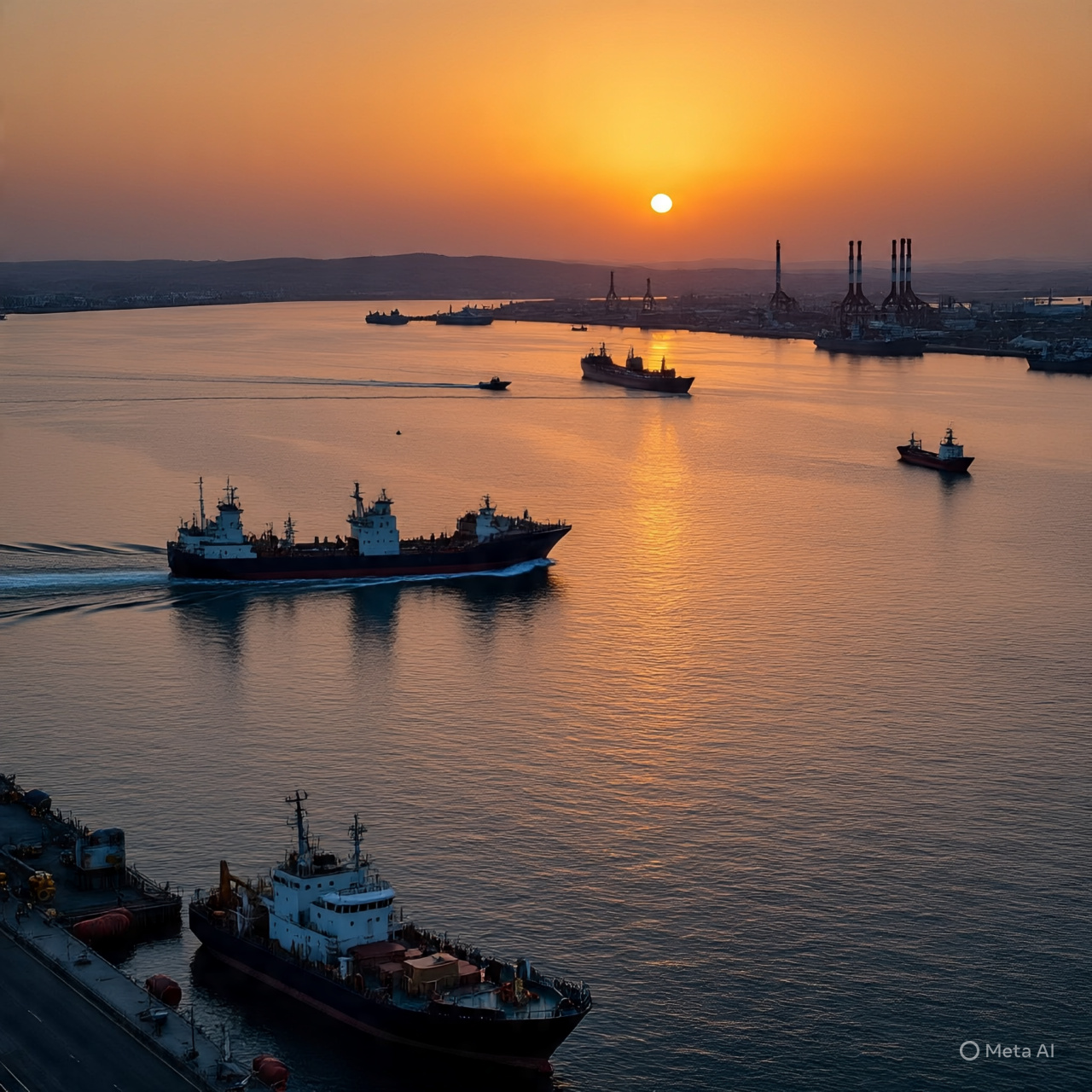
In 2026, few global chokepoints carry as much geopolitical and economic weight as the Strait of Hormuz. This narrow waterway, located between the Persian Gulf and the Gulf of Oman, continues to influence global energy markets, international trade, and regional security dynamics.
As global tensions shift and energy transitions accelerate, understanding the importance of the Strait of Hormuz in 2026 is essential for policymakers, investors, and informed citizens alike.
Where Is the Strait of Hormuz and Why Does It Matter?
The Strait of Hormuz is a narrow maritime passage bordered by Iran to the north and Oman to the south. At its narrowest point, it is only about 33 kilometers wide, yet it handles a substantial portion of the world’s oil shipments.
It serves as the primary export route for major oil-producing countries in the Gulf region, including:
-
Saudi Arabia
-
United Arab Emirates
-
Kuwait
-
Iraq
-
Qatar
Any disruption in this corridor has immediate global consequences.
A Critical Energy Lifeline
The Strait of Hormuz remains one of the world’s most vital energy transit routes. Even in 2026, despite renewable energy growth, global oil and natural gas demand remains significant.
Why It Is Crucial:
-
A major percentage of the world’s oil passes through it daily.
-
Liquefied natural gas (LNG) shipments rely heavily on this route.
-
Energy prices react instantly to instability in the region.
When tensions rise near the Strait of Hormuz, oil markets often respond with price volatility. Investors and governments closely monitor developments because disruptions can trigger supply chain instability worldwide.
Geopolitical Tensions in 2026
The strategic importance of the Strait of Hormuz makes it a focal point of geopolitical competition. Regional rivalries, naval deployments, and international diplomacy converge here.
In 2026, key issues include:
-
Maritime security patrols by global powers
-
Regional power dynamics involving Iran and Gulf nations
-
Diplomatic negotiations over sanctions and trade
-
Military exercises and naval presence
Because the strait is narrow and heavily trafficked, even minor incidents can escalate quickly, affecting international relations.
Impact on Global Trade and Supply Chains
While oil dominates headlines, the Strait of Hormuz also plays a broader role in international commerce. Shipping routes carrying petrochemicals, manufactured goods, and essential commodities pass through this corridor.
Consequences of Disruption:
-
Increased shipping insurance costs
-
Delays in supply chains
-
Rising fuel prices
-
Inflationary pressures in global markets
In a highly interconnected global economy, bottlenecks in critical transit routes can ripple across industries.
Strategic Importance for Regional Countries
For Gulf nations, the Strait of Hormuz is more than a shipping lane—it is an economic lifeline. Oil revenues fund infrastructure, social programs, and diversification initiatives.
Countries in the region have invested in:
-
Alternative pipelines bypassing the strait
-
Expanded port facilities
-
Strategic petroleum reserves
-
Enhanced naval capabilities
These measures aim to reduce vulnerability, but the Strait of Hormuz remains irreplaceable in the near term.
Energy Transition and the Strait’s Future
One of the major questions in 2026 is whether the global energy transition reduces the strait’s significance. While renewable energy capacity has expanded, fossil fuels still play a key role in transportation, manufacturing, and industrial production.
The reality is that:
-
Developing economies continue to rely heavily on oil.
-
Aviation and maritime sectors depend on fossil fuels.
-
LNG demand remains strong in Asia and Europe.
Therefore, the Strait of Hormuz remains strategically critical even amid sustainability efforts.
Security Measures and International Cooperation
Given its importance, international cooperation is central to maintaining stability. Naval coalitions patrol the area to ensure freedom of navigation and deter threats.
Security strategies include:
-
Surveillance and monitoring systems
-
Joint maritime exercises
-
Diplomatic engagement
-
De-escalation mechanisms
The goal is to prevent disruptions while maintaining open trade flows.
Why the Strait of Hormuz Matters in 2026 More Than Ever
In 2026, the Strait of Hormuz represents more than a geographic location—it symbolizes the intersection of energy security, geopolitics, and economic stability.
Key reasons it remains vital:
-
It anchors global oil supply chains.
-
It influences energy pricing worldwide.
-
It serves as a geopolitical pressure point.
-
It affects inflation and economic growth.
In a world navigating climate goals, political uncertainty, and shifting alliances, this narrow passage continues to carry enormous global influence.
Final Thoughts
Understanding the importance of the Strait of Hormuz in 2026 requires recognizing its multifaceted role in energy security, trade stability, and geopolitical strategy. While the world moves toward cleaner energy sources, the Strait remains a critical artery of global commerce.
Its stability affects oil prices, economic growth, diplomatic relations, and regional security. For policymakers, businesses, and global observers, keeping a close eye on developments in the Strait of Hormuz is not optional—it is essential.
As long as global energy flows depend on it, this strategic waterway will continue shaping international affairs in profound ways.
About The Author