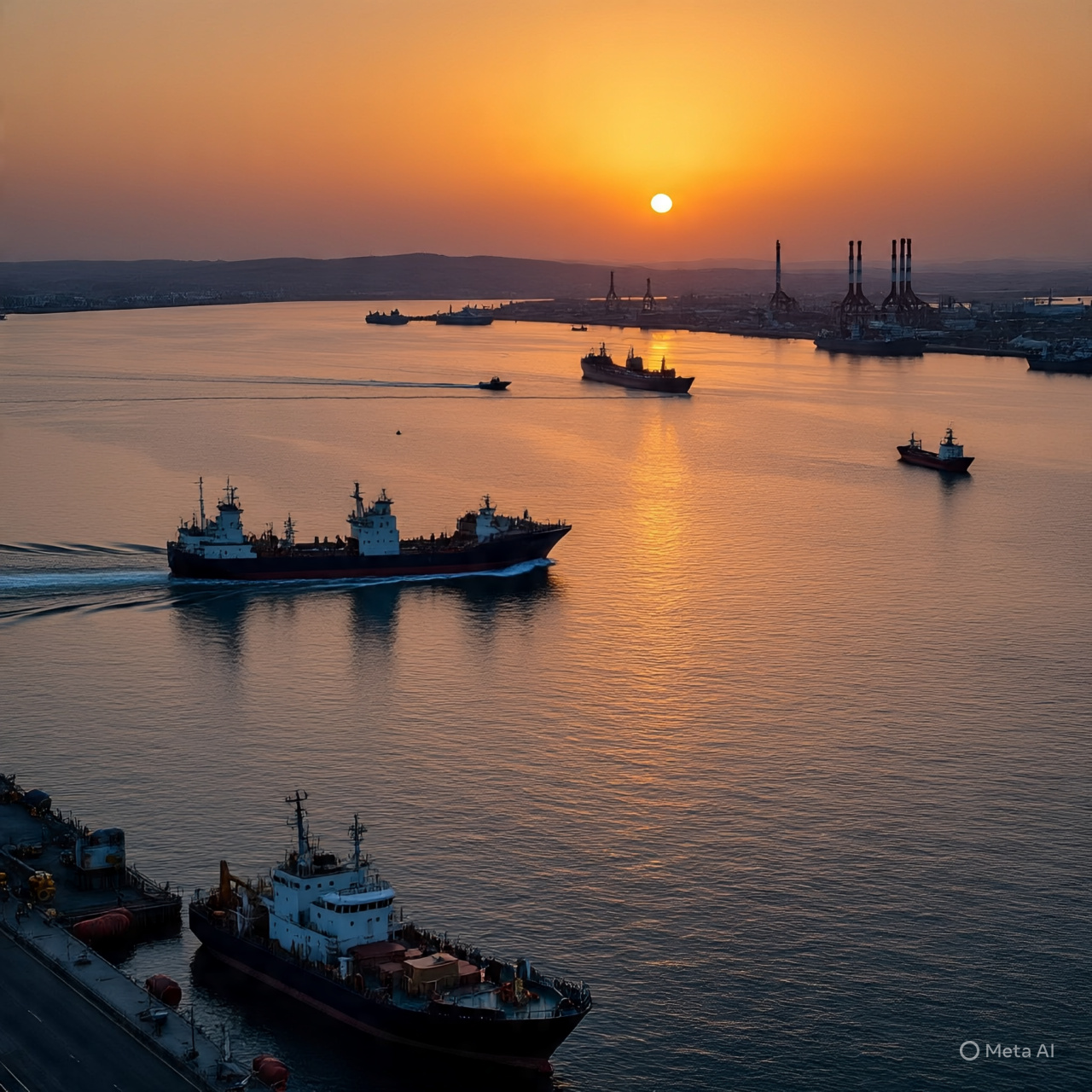
For decades, India’s relationship with the Gulf region was largely defined by oil imports and expatriate remittances. Energy security and labor migration formed the twin pillars of engagement. However, in 2026, this relationship has evolved into something far deeper and strategically significant.
Today, India’s presence in the Gulf extends well beyond hydrocarbons. It encompasses defense cooperation, digital infrastructure, food security, maritime strategy, logistics corridors, renewable energy, and emerging technology partnerships. The Gulf is no longer just an energy supplier to India—it is a critical partner in shaping India’s geopolitical and economic ambitions.
This transformation marks a decisive shift in India’s foreign policy approach toward West Asia.
From Energy Dependency to Strategic Partnership
Historically, countries such as Saudi Arabia, the United Arab Emirates, Qatar, Kuwait, and Oman supplied a major portion of India’s crude oil and liquefied natural gas. Given India’s rapid economic growth and industrialization, stable Gulf energy supplies were essential.
However, several structural shifts have expanded the scope of engagement:
-
India’s emergence as the world’s fastest-growing major economy
-
Gulf nations’ economic diversification under post-oil strategies
-
The rise of multipolar geopolitics
-
Increased maritime competition in the Indian Ocean region
As a result, the relationship has matured from transactional energy trade to multidimensional strategic cooperation.
Energy Security Still Matters — But It’s Evolving
Energy remains foundational. India continues to rely on Gulf producers for a significant share of crude imports. Yet the nature of energy cooperation has become more sophisticated:
Key Developments:
-
Long-term crude supply agreements
-
Strategic petroleum reserve collaborations
-
Joint investments in refinery and petrochemical projects
-
LNG contracts with flexible pricing mechanisms
Additionally, India and Gulf nations are now collaborating in renewable energy. Sovereign wealth funds from the Gulf are investing in Indian solar and green hydrogen projects, aligning with India’s clean energy ambitions.
The narrative has shifted from “oil dependence” to “energy interdependence.”
The Indian Diaspora: A Strategic Bridge
More than eight million Indians reside in Gulf countries, forming one of the largest expatriate communities in the world. Their contribution goes beyond remittances:
-
Strengthening people-to-people ties
-
Facilitating business networks
-
Supporting healthcare, education, and technical sectors
Remittances from Gulf nations contribute significantly to India’s foreign exchange reserves. However, the relationship has matured further with greater labor protections, skill mobility agreements, and digital remittance systems.
The Indian diaspora now functions as a strategic soft-power asset.
Defense and Maritime Cooperation
India’s strategic footprint in the Gulf increasingly reflects security considerations. The region lies at the crossroads of critical sea lanes, including access to the Strait of Hormuz.
India has expanded defense ties through:
-
Naval exercises and port calls
-
Intelligence sharing mechanisms
-
Counter-terrorism cooperation
-
Maritime domain awareness agreements
The Indian Navy’s operational reach has strengthened in the Arabian Sea and western Indian Ocean. Anti-piracy missions and evacuation operations have demonstrated India’s ability to protect its citizens and interests abroad.
As global maritime competition intensifies, Gulf partnerships enhance India’s security architecture.
Trade, Investment, and Economic Corridors
Trade between India and Gulf Cooperation Council (GCC) countries has diversified significantly.
Emerging Areas of Growth:
-
Food processing and agri-exports
-
Infrastructure development
-
Fintech and digital payments
-
Logistics and port connectivity
-
Defense manufacturing
The signing of comprehensive economic partnership agreements (CEPA) has accelerated bilateral trade and investment flows. These agreements reduce tariffs, streamline customs processes, and promote private-sector collaboration.
India’s western coastline is increasingly integrated with Gulf logistics hubs, strengthening supply chain resilience.
Digital Diplomacy and Technology Partnerships
Another major shift is technological collaboration.
Gulf nations investing in artificial intelligence, smart cities, and fintech view India as a valuable innovation partner. India offers:
-
A vast technology talent pool
-
Scalable digital public infrastructure
-
Cost-effective IT solutions
-
Strong startup ecosystems
Partnerships in digital payments, cybersecurity, and data centers are deepening. India’s digital governance model has gained attention for enabling financial inclusion at scale.
Technology is emerging as a new pillar of strategic alignment.
Food and Water Security Cooperation
Gulf countries face food security challenges due to limited arable land and water scarcity. India plays a crucial role in supplying agricultural products.
Collaborations include:
-
Long-term food supply contracts
-
Investment in Indian agri-zones
-
Cold chain infrastructure development
-
Joint ventures in food processing
This cooperation strengthens economic ties while ensuring supply stability for Gulf consumers.
Multipolar Geopolitics and India’s Balancing Act
The Gulf is a complex geopolitical theatre involving the United States, China, Russia, and regional powers. India has adopted a carefully balanced approach.
Key aspects of India’s strategy:
-
Maintaining strong ties with Saudi Arabia and the UAE
-
Sustaining traditional relations with Iran
-
Deepening strategic engagement with Israel
-
Avoiding alignment in regional rivalries
India’s diplomacy in the Gulf reflects pragmatic realism rather than ideological alignment. This flexibility enhances its credibility as a stable partner.
Infrastructure and Connectivity Ambitions
Connectivity initiatives linking South Asia, the Middle East, and Europe are reshaping regional trade architecture.
India’s participation in emerging infrastructure corridors signals:
-
Ambition to become a logistics powerhouse
-
Reduced overreliance on traditional routes
-
Enhanced westward economic integration
Ports, shipping lanes, and industrial corridors are central to India’s Gulf strategy.
The Green Transition and Climate Collaboration
As climate concerns intensify, India and Gulf nations are investing in sustainable development.
Areas of joint focus include:
-
Green hydrogen production
-
Carbon capture technologies
-
Solar power investments
-
Sustainable urban planning
For Gulf nations diversifying away from oil dependence, India provides a large market and technical expertise. For India, Gulf capital supports clean energy expansion.
The future of the partnership lies as much in renewables as in oil.
Challenges Ahead
Despite progress, several challenges remain:
-
Regional instability
-
Fluctuating oil prices
-
Sanctions regimes affecting regional actors
-
Maritime security risks
-
Great power competition
India must navigate these complexities while safeguarding its economic and strategic interests.
Why the Gulf Matters More Than Ever for India in 2026
In 2026, the Gulf is not merely a supplier of hydrocarbons—it is a strategic extension of India’s economic and security ecosystem.
India’s expanding footprint reflects:
-
Economic diversification
-
Defense modernization
-
Technological ambition
-
Diplomatic agility
-
Energy transition readiness
The transformation from “Look West” to “Engage West” is visible and deliberate.
Conclusion: Beyond Oil, Toward Strategic Convergence
India’s relationship with the Gulf has entered a new phase defined by strategic convergence rather than simple economic necessity.
Energy remains vital. But today’s engagement encompasses trade corridors, defense ties, digital partnerships, diaspora diplomacy, and renewable energy collaboration.
In a world marked by geopolitical uncertainty and economic restructuring, India’s expanding strategic footprint in the Gulf represents a calculated and forward-looking foreign policy evolution.
Oil opened the door. Strategy is now shaping the future.
About The Author