
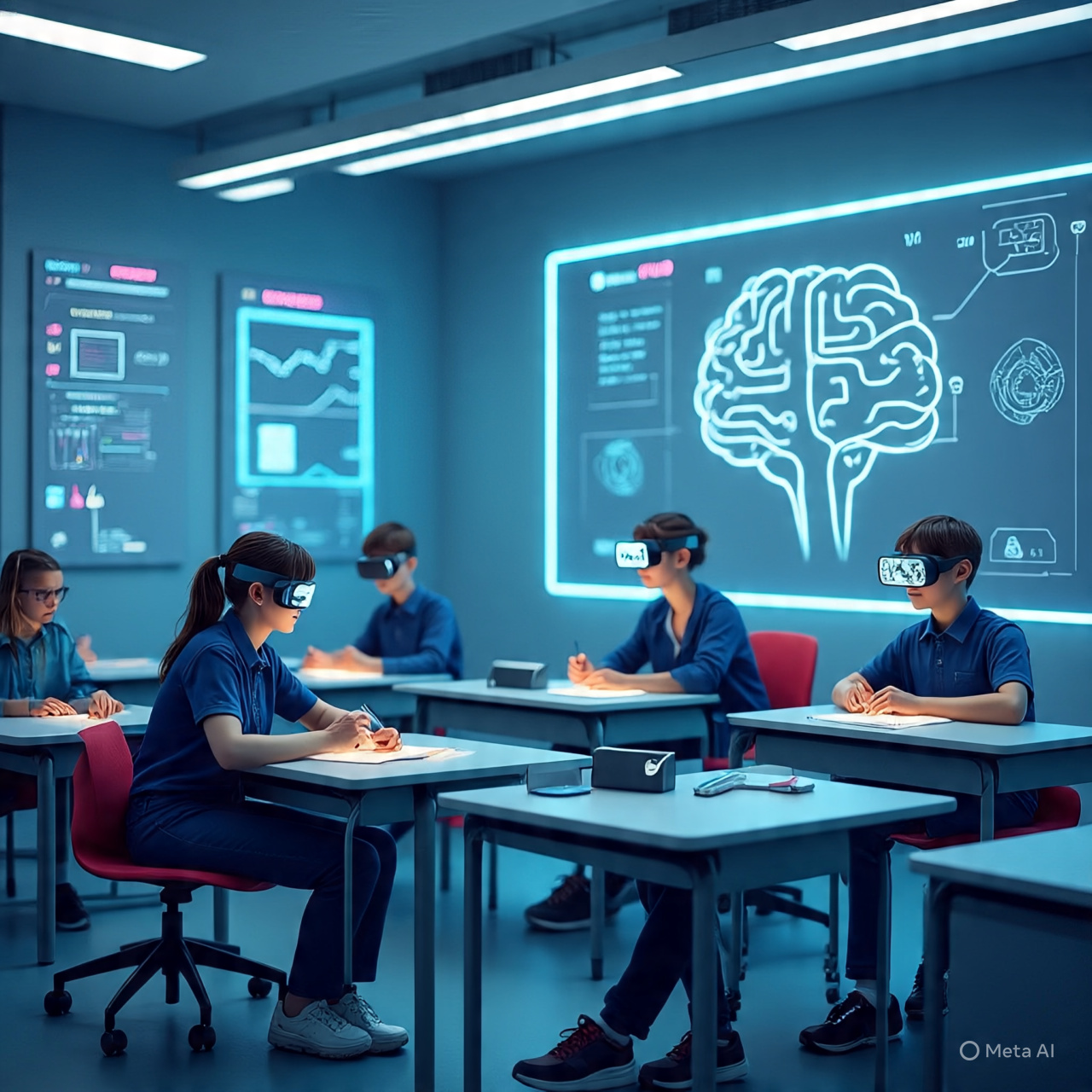
Education systems around the world are experiencing a major transformation. For decades, traditional education emphasized memorization, theoretical knowledge, and standardized testing. However, rapid technological change, evolving industries, and shifting workforce expectations are pushing educators to rethink how learning should happen. Today, many countries and institutions are moving toward skill-based education, a model that focuses on developing practical abilities and real-world competencies rather than only academic knowledge.
Table of Contents
ToggleThis global shift is reshaping how students learn, how teachers teach, and how employers evaluate talent.
Also Read: Critical Thinking and creativity wont be automated
Understanding Skill-Based Education
Skill-based education focuses on teaching learners how to apply knowledge in practical situations. Instead of only studying concepts in textbooks, students develop abilities that can be used in real-life environments.
In traditional education systems, students are often assessed through written exams that test their memory and understanding of theoretical concepts. Skill-based learning, on the other hand, evaluates how well students can perform tasks, solve problems, and apply their knowledge in practical contexts.
For instance, instead of only learning the theory of programming, students may be required to build applications, solve coding challenges, or develop digital tools. This approach helps learners gain experience and confidence in applying what they learn.
Why the World Is Moving Toward Skill-Based Education
Several global factors are driving the shift toward skill-oriented learning.
Rapid Technological Advancement
Technology is changing industries at an unprecedented pace. Automation, artificial intelligence, and digital platforms are transforming the way businesses operate. Many traditional jobs are disappearing while new roles requiring specialized skills are emerging.
Fields such as data analysis, cybersecurity, digital marketing, and software development demand hands-on expertise. Educational institutions must therefore prepare students with practical skills that match these modern job requirements.
Changing Employer Expectations
Employers today are increasingly interested in what candidates can do rather than only what degrees they hold. Many companies evaluate applicants based on practical skills, portfolios, and work experience.
Major companies such as Google, IBM, and Tesla have publicly acknowledged that real-world abilities and demonstrable skills are highly valuable during hiring.
This change reflects a broader recognition that academic credentials alone do not always indicate job readiness.
Growth of the Digital Economy
The global economy is becoming increasingly digital. Businesses rely on technology, data, and innovation to stay competitive.
Workers must therefore possess digital literacy, technical capabilities, and analytical thinking skills. Skill-based education equips learners with these competencies, allowing them to adapt to changing work environments.
The Rise of Lifelong Learning
In the past, individuals completed their education early in life and relied on that knowledge for the rest of their careers. Today, careers evolve rapidly, and professionals must continuously update their skills.
Skill-based education encourages lifelong learning, allowing people to acquire new abilities throughout their professional journeys.
Key Skills Shaping Modern Education
Educational institutions worldwide are focusing on developing essential skills that align with future workforce needs.
Critical Thinking and Problem Solving
Modern workplaces require individuals who can analyze problems, evaluate information, and develop effective solutions. Skill-based learning encourages students to explore multiple perspectives and think independently.
Digital Literacy
Digital skills are now fundamental in almost every profession. Students must learn how to use digital tools, interpret online information, manage data, and navigate digital platforms responsibly.
Communication and Collaboration
Most modern workplaces operate through teamwork and collaboration. Skill-based education emphasizes group projects, presentations, and cooperative learning activities that help students develop communication skills.
Creativity and Innovation
Innovation is a key driver of economic growth. Educational systems are increasingly encouraging creativity, design thinking, and experimentation so that students can generate new ideas and solutions.
Emotional Intelligence
Emotional intelligence includes self-awareness, empathy, and interpersonal skills. These qualities are essential for leadership, teamwork, and effective communication in professional environments.
How Educational Institutions Are Adapting
Schools and universities around the world are adopting new teaching approaches to integrate skill development into their curricula.
Project-Based Learning
Many institutions now emphasize project-based learning, where students work on practical assignments and real-world problems. Instead of only listening to lectures, learners actively engage in building solutions and completing projects.
Industry Partnerships
Educational institutions are collaborating with businesses to ensure that learning programs match industry needs. These partnerships often include internships, training programs, and real-world case studies.
Such collaborations help students gain practical exposure before entering the workforce.
Vocational and Technical Training
Vocational education is gaining renewed attention globally. Technical training programs prepare students for specialized roles in industries such as renewable energy, robotics, healthcare technology, and advanced manufacturing.
Countries like Germany have long been recognized for strong vocational training systems that combine classroom education with industry apprenticeships.
This model is now being adopted by many other nations.
Online Learning and Micro-Credentials
Digital learning platforms are also contributing to the skill-based education movement. Platforms such as Coursera, Udemy, and LinkedIn Learning offer specialized courses that help learners acquire specific skills quickly.
These short-term certifications, often called micro-credentials, allow individuals to upgrade their knowledge without enrolling in full-degree programs.
Government Initiatives Supporting Skill Development
Many governments are introducing policies and programs that promote skill development.
For example, India launched the Skill India Mission to train millions of young people in industry-relevant skills. The initiative aims to improve employability and support economic growth.
Similarly, Singapore introduced the SkillsFuture program, which encourages citizens to continuously upgrade their skills throughout their careers.
These initiatives highlight the importance of building a highly skilled workforce in today’s competitive global economy.
Benefits of Skill-Based Education
Skill-focused education offers several advantages for students, employers, and society.
First, it improves employability. Students graduate with practical abilities that employers value, increasing their chances of securing meaningful employment.
Second, it promotes adaptability. Skill-based learning prepares individuals to adjust to changing industries and technological advancements.
Third, it enhances student engagement. Practical learning experiences often make education more interactive and interesting compared to traditional lecture-based methods.
Finally, it supports innovation and entrepreneurship. By encouraging creativity and problem-solving, skill-based education helps individuals develop ideas that can lead to new businesses and technological breakthroughs.
Challenges in Implementing Skill-Based Education
Despite its benefits, transitioning to skill-based education presents several challenges.
One major challenge is curriculum reform. Many education systems still rely heavily on exam-based assessments and theoretical learning.
Another challenge is teacher training. Educators must adapt to new teaching approaches that emphasize mentorship, project work, and experiential learning.
Assessment methods also need improvement. Measuring practical skills is often more complex than grading written exams.
Additionally, ensuring equal access to skill-based learning opportunities remains a challenge, particularly in regions with limited resources or digital infrastructure.
The Future of Education
The shift toward skill-based education is expected to continue in the coming years. Emerging technologies and evolving workforce demands will further accelerate this transformation.
Artificial intelligence may help personalize education by identifying individual learning needs and recommending skill development paths. Hybrid learning models that combine digital education with practical training are also likely to become more common.
Most importantly, education will increasingly be viewed as a lifelong process rather than a one-time phase.
Conclusion
The global movement toward skill-based education represents a significant evolution in how people learn and prepare for the future. As industries become more dynamic and technology-driven, practical competencies are becoming as important as academic knowledge.
Educational institutions, governments, and businesses are recognizing that developing adaptable, creative, and technically skilled individuals is essential for economic growth and innovation.
By emphasizing real-world abilities, continuous learning, and practical experience, skill-based education has the potential to create a more capable and resilient workforce prepared to meet the challenges of the modern world.
About The Author

Sohan N
With a sharp eye for emerging information and a passion for strategic change, Sohan helps blending innovation with impact translating complex digital challenges into smart and scalable solutions.