In a world filled with advertisements, online shopping platforms, and constant social influence, spending money has become easier than ever. Many people find themselves purchasing items they never planned to buy—whether it’s the latest gadget, fashionable clothing, or an impulse purchase made late at night. While these purchases may provide temporary happiness, they often leave people wondering why they spent money on something they didn’t really need.
The answer lies in the psychology of spending. Human behavior, emotions, and social pressures play a significant role in how people use money. Understanding why we buy unnecessary things can help individuals make smarter financial decisions and develop healthier spending habits.
Understanding the Psychology Behind Spending
Spending money is not always a logical decision. In many cases, it is influenced by emotions, habits, and psychological triggers rather than actual need.
Psychologists often explain that spending activates reward centers in the brain. When we buy something new, the brain releases dopamine, a chemical associated with pleasure and satisfaction. This feeling can create a temporary emotional boost, making purchases feel rewarding even when they are unnecessary.
However, this emotional reward is usually short-lived. After the excitement fades, many people experience regret or guilt about their purchases. This cycle of emotional spending can lead to financial problems over time.
The Role of Instant Gratification
One of the biggest reasons people buy things they do not need is the desire for instant gratification. Modern consumer culture encourages quick rewards rather than long-term planning.
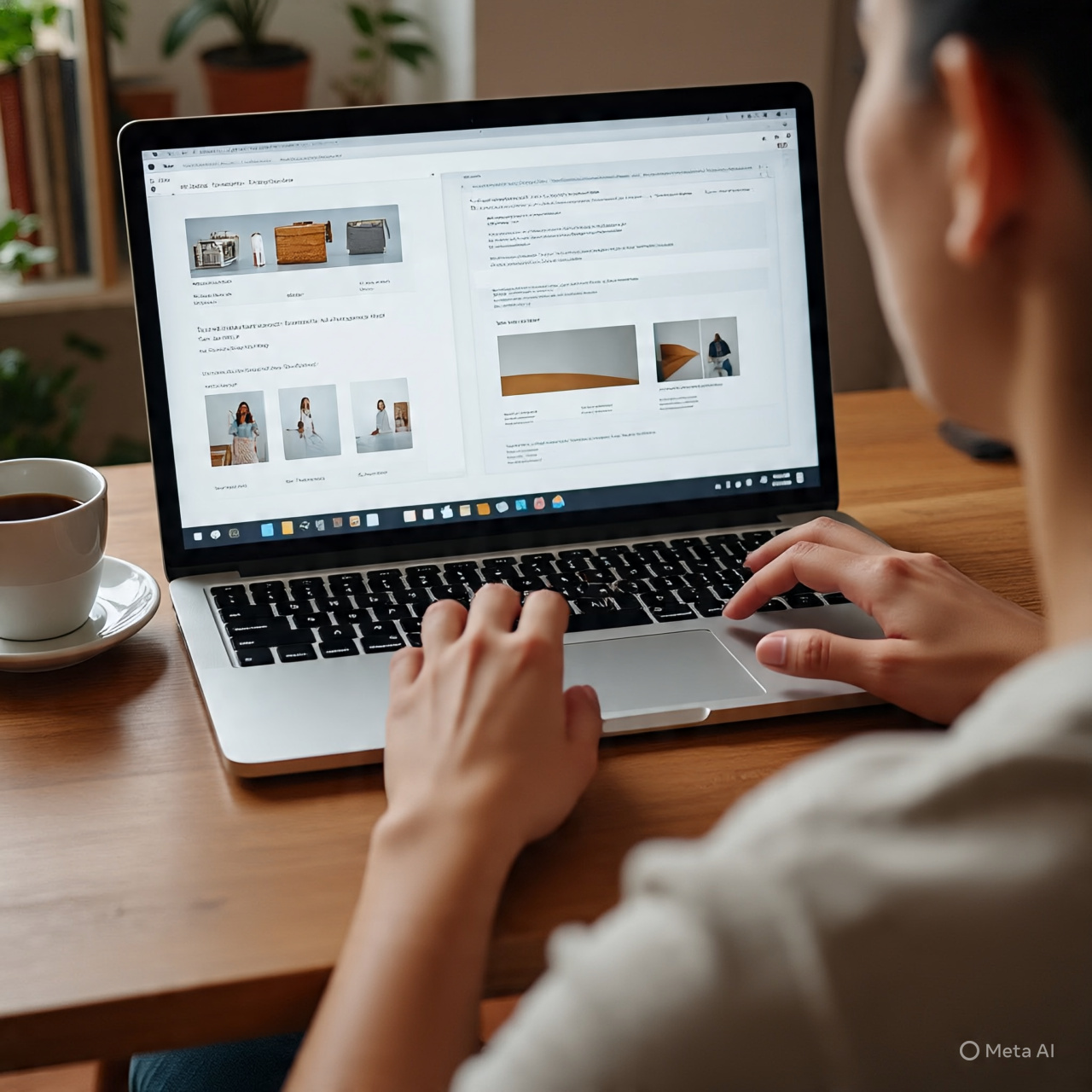
Online shopping platforms, one-click purchasing, and fast delivery services make it incredibly easy to buy something immediately without thinking about the consequences. Instead of waiting and considering whether the purchase is truly necessary, many people choose the instant pleasure of owning something new.
Unfortunately, instant gratification often leads to overspending. People focus on the short-term excitement rather than the long-term impact on their finances.
Emotional Spending: Buying to Feel Better
Another major factor influencing spending behavior is emotional state. People frequently use shopping as a way to cope with emotions such as stress, boredom, sadness, or even excitement. For example:
-
Someone feeling stressed may buy new clothes or gadgets to improve their mood.
-
Someone celebrating an achievement may reward themselves with expensive purchases.
-
People experiencing boredom may shop simply for entertainment.
While occasional emotional spending may not cause major harm, repeated patterns can create financial instability. When shopping becomes a way to deal with emotions, it often leads to unnecessary purchases.
The Influence of Social Pressure
Social pressure plays a powerful role in shaping spending habits. People naturally compare themselves to others, especially in today’s digital age.
Social media platforms showcase curated lifestyles filled with luxury vacations, expensive gadgets, fashionable clothing, and high-end dining experiences. Seeing these images regularly can create the feeling that everyone else is living a more exciting or successful life.
This perception often leads to comparison spending, where people buy things simply to keep up with friends, colleagues, or influencers. They may purchase expensive items not because they need them, but because they feel pressured to match the lifestyle they see around them.
Marketing and Advertising Strategies
Companies invest billions of dollars each year studying consumer psychology and designing marketing strategies that encourage spending. Advertisements are carefully crafted to trigger emotional responses and create a sense of urgency. Common techniques include:
-
Limited-time offers
-
Flash sales
-
“Only a few items left” notifications
-
Discounts and bundle deals
These tactics make people feel they might miss out on a valuable opportunity if they do not purchase immediately. In many cases, people buy products not because they truly want them, but because the marketing strategy makes them feel compelled to act quickly.
Also Read: Lifestyle Inflation – 10 Smart ways to control it
The Fear of Missing Out (FOMO)
The fear of missing out, often called FOMO, is another psychological factor that drives unnecessary spending.
When people see others buying new products, attending events, or enjoying experiences, they may feel anxious about being left behind. This fear encourages them to spend money to participate in the same activities or own similar items.
For example, someone may buy the latest smartphone even though their current device works perfectly. The purchase is driven not by need, but by the desire to stay up to date with trends.
FOMO is particularly powerful in modern consumer culture, where trends change quickly and social validation often comes from material possessions.
The Illusion of Discounts and Deals
Sales and discounts often make people believe they are saving money, even when they are actually spending more. For example, a shopper may buy three items during a “buy two, get one free” promotion. While the offer appears attractive, the customer might not have planned to purchase any of those items in the first place.
Retailers understand that discounts create a perception of value. When people feel they are getting a good deal, they are more likely to justify purchases that would otherwise seem unnecessary. This psychological effect makes promotions one of the most powerful tools in encouraging consumer spending.
Lifestyle Inflation
As people earn higher incomes, their spending habits often change. This phenomenon is known as lifestyle inflation. Instead of saving or investing additional income, many individuals increase their spending on luxury items, dining, travel, and entertainment. Over time, their expenses grow to match their income, leaving little room for long-term wealth building.
Lifestyle inflation can make even high-income individuals feel financially stressed. Despite earning more money, they may struggle to save because their lifestyle has become more expensive. Understanding this pattern is essential for maintaining financial stability as income grows.
The Psychological Value of Ownership
Another reason people buy unnecessary items is the emotional value attached to ownership. Owning something new can create a sense of achievement or identity. Certain products become symbols of success, status, or personal style. For example:
-
A luxury car may represent success.
-
Designer clothing may represent status.
-
Expensive gadgets may represent technological sophistication.
These symbolic meanings often influence purchasing decisions more than practical needs.
How to Develop Healthier Spending Habits
Understanding the psychology behind spending is the first step toward improving financial behavior. Once people recognize the triggers influencing their purchases, they can adopt strategies to make smarter decisions.
One effective strategy is creating a waiting period before making purchases. Waiting 24 or 48 hours before buying something can help determine whether the purchase is truly necessary.
Another helpful approach is setting clear financial goals. When individuals focus on long-term objectives such as building savings, investing, or achieving financial independence, they become more mindful about spending.
Tracking expenses can also reveal patterns in spending behavior. Many people are surprised to discover how much money they spend on small, unnecessary purchases over time.
The Importance of Mindful Spending
Mindful spending involves making intentional decisions about how money is used. Instead of reacting to emotional triggers or marketing influences, individuals evaluate whether a purchase aligns with their values and priorities. This approach encourages people to spend money on things that genuinely improve their lives rather than temporary impulses.
For example, investing in education, health, or meaningful experiences may provide long-term satisfaction compared to impulsive purchases that quickly lose their value. Mindful spending does not mean avoiding all enjoyment. Instead, it focuses on balancing financial responsibility with personal fulfillment.
Conclusion
The psychology of spending reveals that buying behavior is often driven by emotions, social influence, and clever marketing rather than genuine need. Instant gratification, emotional triggers, social comparison, and the fear of missing out all contribute to unnecessary purchases.
By understanding these psychological factors, individuals can gain greater control over their financial decisions. Developing mindful spending habits, setting clear financial goals, and recognizing emotional triggers can help people avoid unnecessary purchases and build stronger financial stability.
Ultimately, financial well-being is not determined solely by income but by how money is managed. When people learn to align their spending with their long-term goals and values, they can achieve a healthier relationship with money and greater financial freedom.
About The Author