
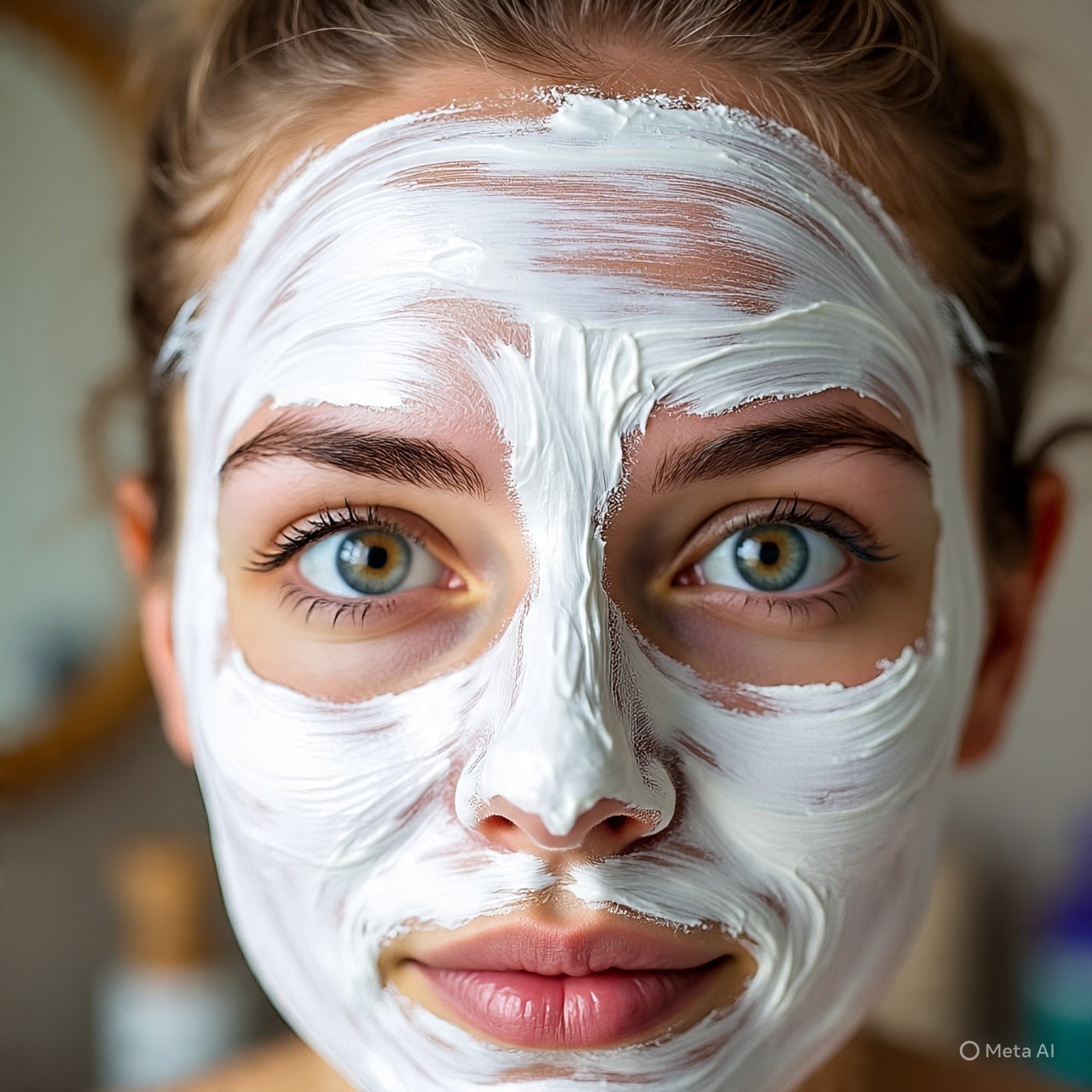
Face Masks: Understanding your skin first
Healthy skin does not always require expensive products or complicated beauty routines. In fact, some of the most effective skincare solutions are already sitting in your kitchen. Everyday ingredients such as honey, turmeric, yogurt, oatmeal, and lemon contain natural nutrients that can cleanse, nourish, and rejuvenate the skin.
Also Read: 10 proven natural skincare tips this Summer
For centuries, traditional healing systems like Ayurveda have emphasized the use of natural ingredients for skincare. These remedies rely on the healing properties of plants, herbs, and foods that support the skin without harsh chemicals. Today, many people are rediscovering the benefits of DIY skincare as a safer and more affordable way to maintain healthy skin.
This guide explores several effective DIY skin treatments that use common kitchen ingredients to address issues like dryness, acne, dullness, and uneven skin tone.
Why Kitchen Ingredients Work for Skin Care
Natural kitchen ingredients are rich in vitamins, antioxidants, and essential nutrients that promote skin health. Many of them have antibacterial, anti-inflammatory, and moisturizing properties that help repair and protect the skin.
For example:
-
Natural acids help remove dead skin cells
-
Antioxidants fight free radicals that damage skin
-
Healthy fats and proteins nourish and repair skin tissue
Unlike many commercial products, DIY face treatments allow you to control exactly what goes onto your skin, making them especially appealing to people seeking natural beauty solutions.
Honey Face Mask for Hydration and Glow
Honey is one of the most popular natural skincare ingredients. It is a natural humectant, meaning it helps the skin retain moisture. Honey also contains antibacterial properties that can help prevent acne and soothe irritated skin.
How to Use
-
Take one tablespoon of honey.
-
Apply it directly to clean skin.
-
Leave it on for 15–20 minutes.
-
Rinse with warm water.
This simple mask deeply hydrates the skin and leaves it feeling soft and refreshed. Regular use can also improve the skin’s natural glow.
Turmeric and Yogurt Brightening Mask
Turmeric is widely known for its anti-inflammatory and antioxidant properties. It helps reduce redness, lighten blemishes, and promote an even skin tone.
When combined with Yogurt, which contains lactic acid, the mixture gently exfoliates the skin and improves texture.
How to Make the Mask
-
1 teaspoon turmeric powder
-
2 tablespoons yogurt
-
Mix into a smooth paste
Apply the mixture to your face and leave it for 10–15 minutes before rinsing off. This mask helps brighten the skin and reduce dullness.
Oatmeal Scrub for Gentle Exfoliation
Oatmeal is an excellent natural exfoliant. It removes dead skin cells while soothing irritation. Oatmeal is also beneficial for sensitive skin because it has anti-inflammatory properties.
DIY Oatmeal Scrub
-
2 tablespoons oatmeal
-
1 tablespoon honey
-
A little warm water
Mix the ingredients to create a thick paste. Gently massage the mixture onto your face in circular motions for a few minutes, then rinse with lukewarm water.
This scrub removes impurities and leaves the skin feeling smooth and refreshed.
Lemon and Sugar Scrub for Bright Skin
Lemon is rich in vitamin C, which helps brighten the skin and reduce dark spots. Meanwhile, sugar acts as a natural exfoliant.
How to Use
-
Mix one tablespoon of lemon juice with one tablespoon of sugar.
-
Gently rub the mixture onto the skin.
-
Rinse after a few minutes.
This treatment can help remove dead skin cells and improve skin brightness. However, lemon can make the skin sensitive to sunlight, so it’s best used in the evening.
Aloe Vera and Cucumber Cooling Treatment
Aloe vera is widely known for its soothing and healing properties. It helps calm irritated skin, reduce redness, and hydrate dry areas.
When combined with Cucumber, which contains a high water content, the treatment provides a cooling and refreshing effect.
How to Prepare
-
Blend cucumber into a smooth paste.
-
Mix it with fresh aloe vera gel.
-
Apply the mixture to your face and leave it for 15 minutes.
This mask is especially helpful for sunburned or irritated skin.
Coconut Oil for Deep Moisturizing
Coconut oil is a natural moisturizer rich in fatty acids. It helps repair the skin barrier and prevent moisture loss.
How to Use
Take a small amount of coconut oil and gently massage it into your skin before bedtime. It works particularly well for dry skin and rough areas like elbows and knees.
However, people with oily or acne-prone skin should use it sparingly.
Tomato Treatment for Oily Skin
Tomato contains natural acids and antioxidants that help tighten pores and control excess oil production.
Simple Tomato Mask
-
Mash half a tomato.
-
Apply the pulp to your face.
-
Leave it on for 10 minutes before washing.
This treatment can reduce oiliness and improve the skin’s overall tone.
Milk and Honey Cleanser
Milk contains lactic acid, which gently exfoliates the skin and improves texture.
DIY Cleanser
-
Mix two tablespoons of milk with one teaspoon of honey.
-
Apply the mixture using a cotton pad.
-
Rinse with lukewarm water.
This cleanser removes dirt and leaves the skin soft and hydrated.
Banana Mask for Nourishment
Banana is rich in vitamins A, B, and E, which help nourish and hydrate the skin.
Banana Face Mask
-
Mash one ripe banana.
-
Apply it to the face.
-
Leave it for 15 minutes before rinsing.
This mask helps restore moisture and improve skin elasticity.
Green Tea Skin Toner
Green tea contains powerful antioxidants that help fight free radicals and reduce inflammation.
How to Make
-
Brew green tea and allow it to cool.
-
Apply it to the face using a cotton pad.
Regular use can help reduce puffiness and protect the skin from environmental damage.
Tips for Safe DIY Skin Care
Although natural ingredients are generally safe, it’s important to follow a few precautions.
Perform a Patch Test
Before applying any new ingredient to your face, test it on a small area of skin to check for allergies or irritation.
Use Fresh Ingredients
Fresh ingredients contain more nutrients and are less likely to cause skin problems.
Avoid Over-Exfoliation
Using scrubs too frequently can damage the skin barrier. Limit exfoliation to two or three times a week.
Maintain Hygiene
Always use clean bowls, spoons, and brushes when preparing DIY skincare treatments.
Benefits of DIY Skin Treatments
DIY skincare offers several advantages compared to commercial products.
Cost-effective: Most ingredients are already available at home.
Chemical-free: Natural treatments reduce exposure to harsh chemicals.
Customizable: You can adjust ingredients based on your skin type and needs.
Environmentally friendly: Using natural ingredients reduces packaging waste and environmental impact.
When to Choose Professional Skincare
While DIY remedies can help with minor skin concerns, certain conditions may require professional treatment. Persistent acne, severe skin irritation, or chronic conditions like eczema should be evaluated by a dermatologist.
Combining natural remedies with professional advice ensures the best results for long-term skin health.
Final Thoughts
DIY face treatments using common kitchen ingredients provide a simple and natural way to care for your skin. Ingredients such as honey, turmeric, oatmeal, lemon, aloe vera, and banana offer powerful benefits that can hydrate, exfoliate, and rejuvenate the skin.
These remedies highlight how everyday foods can double as effective skincare solutions. With proper use and consistency, natural treatments can help maintain healthy, glowing skin without relying heavily on expensive products.
By turning to the ingredients already present in your kitchen, you can create a skincare routine for your face that is both affordable and nourishing—proving that sometimes the best beauty secrets are the simplest ones.
About The Author