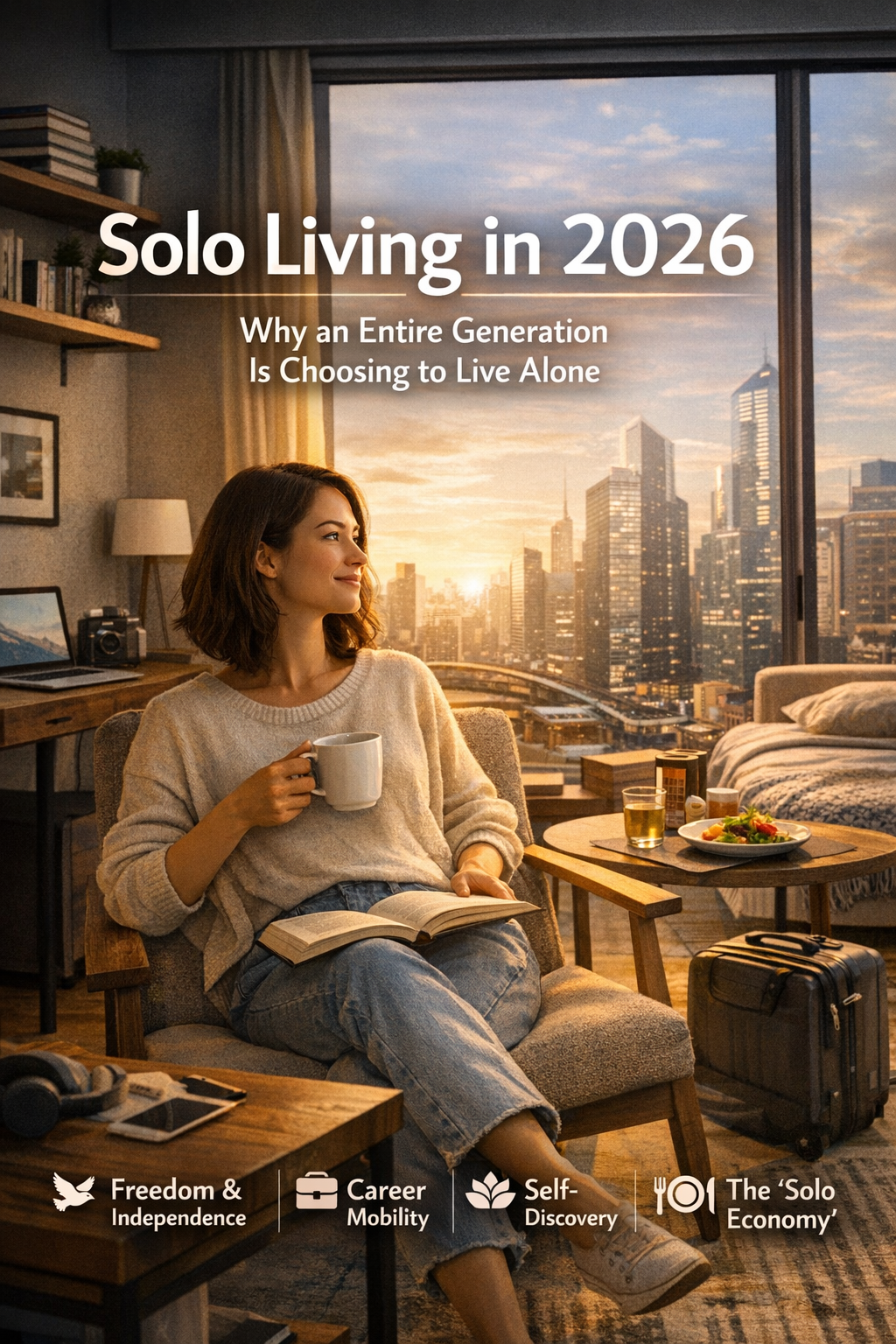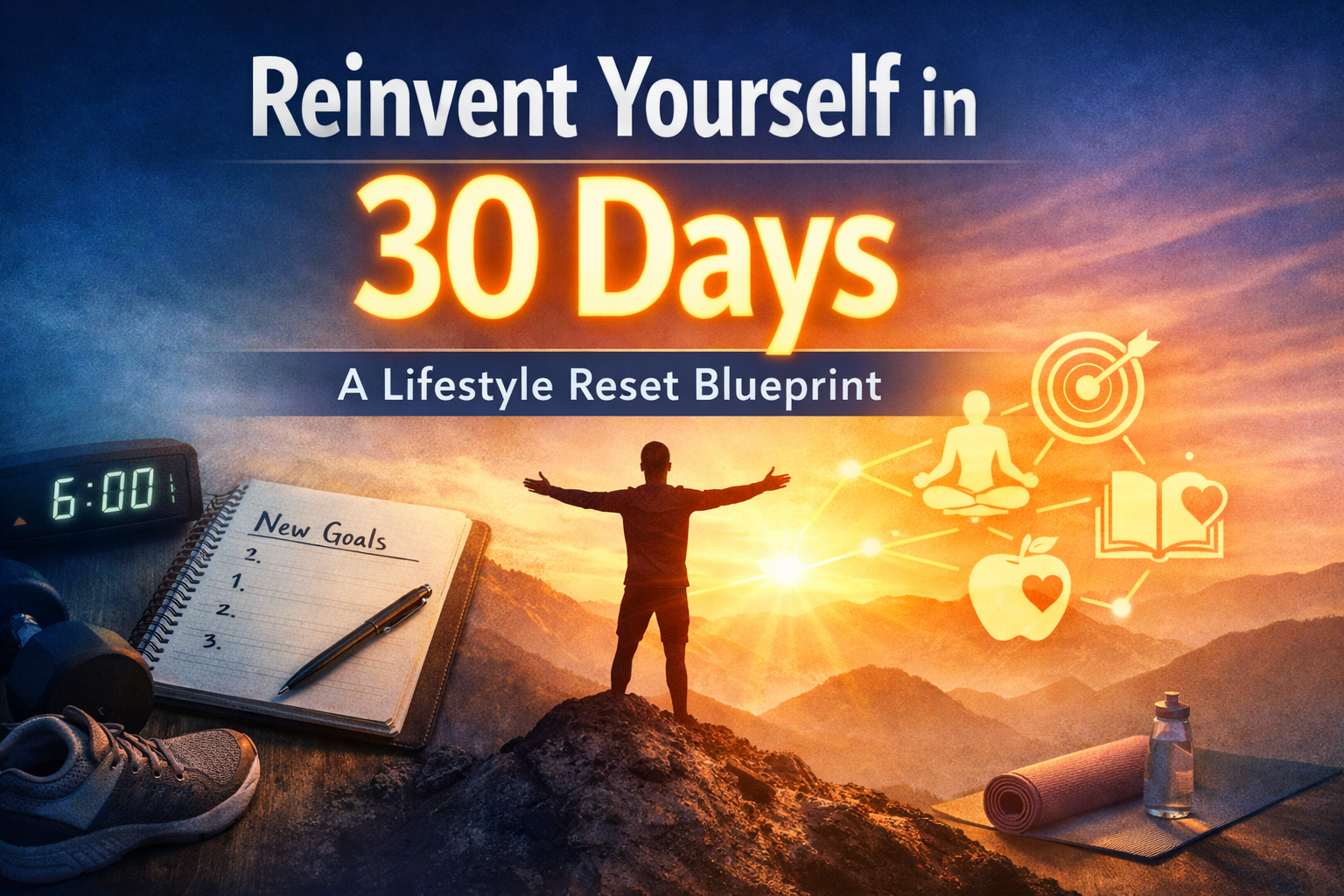
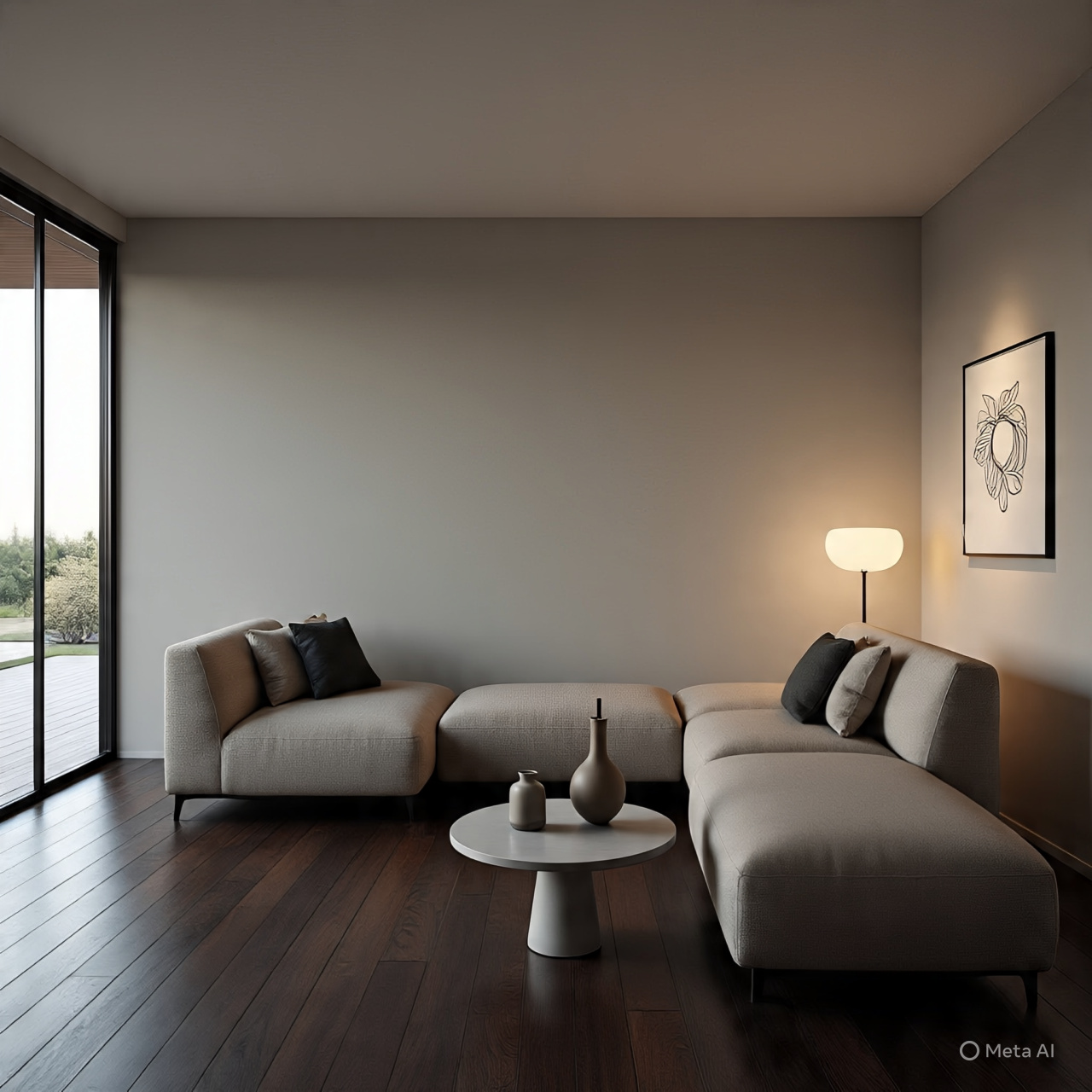
In 2026, life is no longer just lived—it is carefully composed, filtered, and presented. The rise of aesthetic living has transformed everyday routines into visual experiences. From the way we decorate our homes to how we plate our food, everything now carries an element of design.
At first glance, this shift seems beautiful. Aesthetic living promotes intention, simplicity, and attention to detail. It encourages people to create spaces they enjoy and routines that feel meaningful. But beneath this polished surface lies a deeper question—one that’s becoming increasingly difficult to ignore: Are we truly designing our lives for ourselves, or are we quietly shaping them for an audience?
Also Read: Know why your advertisements are failing
The Evolution of Aesthetic Living
Aesthetic living did not begin as a performance. It started as a conscious effort to live better. People wanted calmer spaces, cleaner environments, and more mindful routines. It was about removing chaos and replacing it with clarity.
However, as social media platforms evolved, this idea began to shift. What was once personal slowly became public. The focus moved from how things feel to how they appear. A morning routine was no longer just about starting the day—it became something to capture. A corner of your home wasn’t just functional—it became a frame.
Over time, aesthetic living became less about experience and more about presentation.
When Living Turns Into Display
There is a subtle but powerful transition that happens when you begin to view your life through a visual lens. You start becoming aware of how everything might look from the outside.
A simple coffee is no longer just a moment of pause—it’s an image of aesthtetic living. A weekend outing becomes an opportunity for content. Even silence and solitude can feel incomplete if they are not shared.
This doesn’t happen overnight. It builds gradually, shaping your decisions in ways you might not immediately notice. You begin choosing places, habits, and even experiences based on how well they fit into a certain aesthetic. And without realizing it, your life starts shifting from something you live to something you present.
The Invisible Pressure of Perfection
One of the most complex aspects of aesthetic living is the pressure it creates—often without being obvious. When your life looks a certain way online, there’s an unspoken expectation to maintain that image. The more consistent your aesthetic, the more you feel the need to sustain it. This creates a loop where your real life begins adapting to match your digital identity.
At the same time, you are constantly exposed to other curated lives. Perfect rooms, flawless routines, and seemingly effortless lifestyles fill your feed. Even when you know it’s selective, it still influences your perception. Slowly, your reality begins to feel less than ideal—not because it is lacking, but because it doesn’t match what you see.
The Emotional Disconnect
This constant comparison creates a quiet disconnect. You may be doing well, living comfortably, and experiencing meaningful moments. But if those moments don’t look “aesthetic enough,” they may feel less valuable. This is where the real impact of aesthetic living begins to surface—not externally, but internally.
You start measuring your life visually rather than emotionally. Instead of asking whether something makes you happy, you begin asking whether it looks good. Instead of enjoying the moment fully, part of your mind is occupied with capturing it. Over time, this reduces the depth of your experiences. You are present—but not completely.
The Difference Between Intentional and Performative Living
It is important to understand that aesthetic living itself is not the issue. The problem arises when intention is replaced by performance. Intentional living is deeply personal. It is about creating a life that aligns with your preferences, your comfort, and your values. It is quiet, consistent, and grounded.
Performative living, on the other hand, is driven by perception. It depends on how others see you. It requires maintenance, validation, and constant awareness.
The two may look similar from the outside, but they feel entirely different from within. When your choices are guided by intention, your life feels stable. When they are guided by perception, it begins to feel exhausting.
The Illusion of Aesthetic Perfection
Social media has a way of making perfection seem normal. But what you see is rarely the full picture. Every frame is chosen. Every detail is adjusted. Every moment is filtered. What appears effortless is often carefully constructed.
Yet, when you consume this content daily, your mind begins to accept it as reality. You start comparing your unfiltered life to someone else’s curated version. This is where dissatisfaction grows—not because your life is lacking, but because your expectations have been quietly reshaped.
Reconnecting With What Feels Real
The shift back to authenticity doesn’t require drastic changes. It begins with awareness. Start noticing the small decisions you make. The places you choose, the habits you build, the way you spend your time. Ask yourself whether these choices come from genuine preference or subtle influence.
You may find that many of your decisions are shaped by what you’ve been exposed to rather than what you actually enjoy. Reconnecting with yourself means giving importance to how things feel, not just how they look. A space that feels comfortable matters more than one that looks perfect. A routine that works for you is more valuable than one that appears aesthetic.
Designing a Life Beyond the Lens
There is a different kind of satisfaction that comes from living without constant awareness of how things appear. Moments become deeper. Conversations become more engaging. Experiences feel complete, even if they are not captured.
When you remove the pressure of presentation, you allow yourself to fully exist within your life rather than observe it from a distance. This doesn’t mean rejecting aesthetics altogether. Beauty still matters. Design still influences mood and environment. But it should serve your life, not define it.
A New Definition of Aesthetic Living
As awareness around this issue grows, the concept of aesthetic living is slowly evolving. People are beginning to appreciate authenticity over perfection. There is a growing acceptance of imperfection, individuality, and realness.
Aesthetic living is returning to its original purpose—not as a performance, but as a form of self-expression. It is no longer about creating a life that looks flawless. It is about creating one that feels right.
Final Thought
At its core, this conversation is not about aesthetic living—it is about aesthetic ownership. Who are you living for?
If your choices are constantly influenced by how they will be perceived, you risk losing connection with your own preferences. But when you design your life based on what genuinely matters to you, everything becomes simpler.
In 2026, the real luxury is not having the most aesthetic life online. It is having a life that feels complete, even when no one is watching.
About The Author